Unlocking River Reads: How Fly Guide Helps You Understand Moving Water
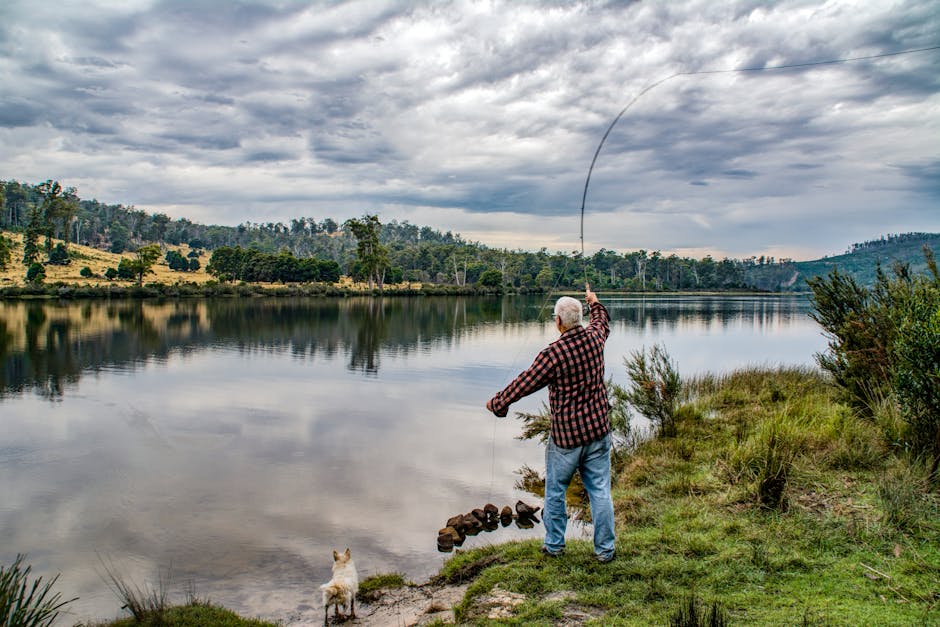
Photo by Kathryn Archibald on Pexels
Reading the water is a skill that separates seasoned anglers from the rest. When you can spot the holding lies, feeding lanes, and best approach angles in a fast-moving river, your odds of success go up exponentially. Luckily, Fly Guide helps give your instincts a leg up—with tools that bring data and strategy together in a way that benefits anglers of all levels.
In this post, we’ll explore how Fly Guide can help you turn tricky flows into trout highways and become more responsive to the moving puzzle beneath your wading boots.
Why Reading the River Matters
Whether you’re casting in a freestone stream or a tailwater, fish don’t hang out randomly. They position themselves based on:
- Current speed
- Depth and cover
- Food availability
- Oxygen levels
- Water temperature
By understanding where these factors come together in a river, you can narrow down where the fish are likely to be—and what flies will tempt them most.
How Fly Guide Helps You "Read" Smarter
The Fly Guide app is more than a digital fly box—it's your on-the-water playbook. Here’s how some key features support better river reads:
🧠 Fly Recommendations with Hatch and Weather Data
Using local hatch charts, water temperatures, and real-time weather info, Fly Guide’s fly recommendations give you insight into what insects are active in certain water types. Matching the hatch is easier when you know what's drifting down those riffles before you make a cast.
📍 Catch Map: Pattern Productive Water Faster
Use the Catch Map to overlay your location and see where others—and you—have hooked fish in similar flows. Over time, this becomes a visual diary showing what types of structure and water produced, helping you associate specific spots with success.
📸 Catch Log: Log Conditions, Learn Trends
When you log a catch, Fly Guide prompts you to record flow type (run, riffle, pool), fly used, temp, and more. That data, combined with photos, can help you identify repeatable patterns in moving water. For example: “I always get smallmouth in slow eddies on olive streamers in late July.”
📬 Weekly Fly Box Emails Alert You to Seasonal Changes
These curated emails prep you for upcoming hatch cycles, including tips for reading tricky river conditions during transitions. Think runoff season, late summer droughts, or fall leaf drop—all of which affect fish position and energy.
River Reading Tips for the Real World
Next time you hit moving water, keep these pro-level tips in your wader pocket:
- Find seams: Look where fast and slow water meet—often trout highways.
- Watch bubble lines: Like a conveyor belt of food. Fish sit just off them.
- Hit the heads and tails of pools: These are oxygen-rich and full of food.
- Use polarized glasses and crouch low for better visual reads.
- Pair observations with Fly Guide insights to confirm assumptions or get a second opinion.
The Takeaway: Instinct Meets Intelligence
Being a great river angler means syncing your instinct with real-time conditions. Fly Guide equips you with fly patterns, water knowledge, and personal performance history to help turn developing reads into decisive moves.
So next time you’re staring at a stretch of moving water, don’t just guess—use Fly Guide to decode its secrets, cast with confidence, and fish like the river’s an open book.
Tight lines—and even tighter reads!