Heads or Tails: How to Decode Water Entry Points with Fly Guide
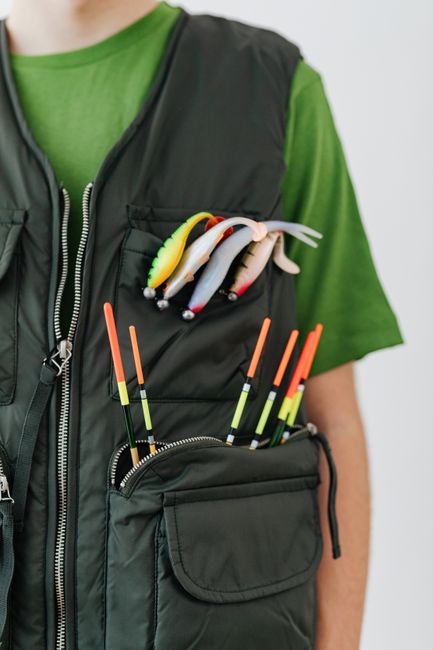
Photo by Photo By: Kaboompics.com on Pexels
Why Entry Points Matter in Fly Fishing
Trout behave like opportunistic tacticians—they position themselves in the river where food arrives consistently and with minimal effort. These are often described as water entry points: the head, middle, and tail of a pool. Knowing how to identify and fish these areas can be the difference between a slow day and a stellar one.
Whether you're scanning a fast riffle or eyeing a glassy back eddy, targeting fish in the right section of a pool is key. Let’s break this down—and see how Fly Guide helps you make smarter calls at every cast.
Reading the Pool: Three Key Zones
1. Head of the Pool
The top of a pool is typically where higher oxygen levels and more food drift converge. Fish positioned here are actively feeding but wary—often nosing into the current, just below disturbed water.
Tips:
- Use a dry-dropper rig for visibility and depth control.
- Approach from downstream, keeping a low profile.
2. Middle of the Pool
Often deeper and slower, this comfort zone is where trout conserve energy. Here, they’re less aggressive but still opportunistic.
Tips:
- Subsurface presentations like nymphs or streamers typically work best.
- Focus on seams or structure—undercut banks, boulders, or sunken logs.
3. Tail of the Pool
The exit zone might seem inactive, but in lower light or low-traffic conditions, trout often stack here. It’s also a stealthy approach area.
Tips:
- Try an emerger pattern or unweighted nymph.
- Long, gentle drifts are crucial; cast upstream and let the fly settle naturally.
How Fly Guide Helps You Hit the Right Zone
When you’re on new water—or revisiting a post-flood stretch—Fly Guide simplifies the learning curve. Here’s how:
🧠 Fly Recommendations That Match the Moment
With real-time hatch and weather data, Fly Guide suggests patterns that work where you are. If water clarity is low at the pool tail, you’ll get darker, bigger fly suggestions that stand out.
🗺️ Catch Map for Pool Patterning
By logging your catches with Fly Guide’s Catch Log and referencing the Catch Map, you’ll start seeing trends over time. Maybe 70% of your trout are hitting streamers at pool heads during cloudy days. That’s actionable intel you can trust.
📸 Catch Log with Photo Upload
Snap a photo; note exactly where in the pool the fish took your fly. Over time, you'll get better at recognizing where trout tend to hold in different flow states.
Real-World Tip: Trust Your Eyes, Then Check the App
On a recent trip to a freestone stream in North Carolina, I spotted four distinct pools with similar structure. I began fishing from the middle—nothing. Then I checked Fly Guide, which recommended a size 16 Olive Soft Hackle based on recent hatch activity and warm mid-morning temps. I moved up to the headwater seam, switched my fly, and picked off three browns in fifteen minutes.
Lesson? Your instincts matter, but tech fine-tunes your decisions.
Wrap-Up: Make Every Cast Count
Understanding pool anatomy is fundamental to reading water—and reading water is what makes anglers successful. But even with years of experience, having intelligent, adaptive help from Fly Guide means you no longer need to fish blind.
So next time you step into the river, remember: heads, middles, and tails aren't just river features—they're strategic targets with the right fly, careful approaches, and smart planning.
Tight lines—and smarter casts—with Fly Guide.