Fish First, Tweak Later: Why Real-World Feedback Beats Guesswork in Fly Choice
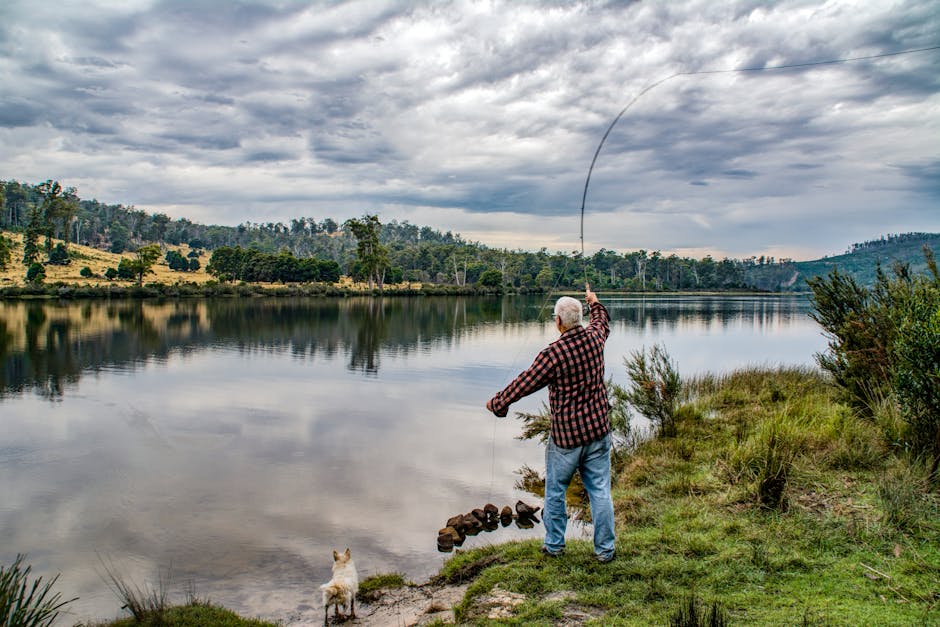
Photo by Kathryn Archibald on Pexels
Fish First, Tweak Later: Why Real-World Feedback Beats Guesswork in Fly Choice
We’ve all been there—tinkering at the tying bench or standing in front of a fly shop display, trying to outguess the river. Pattern decisions become a mental chess match between idealism and instinct. But here’s a truth that even seasoned anglers sometimes forget: the best fly is the one that’s proven to work where and when you fish—not just the one that looks good in your hand.
With Fly Guide, you can replace guesswork with informed decisions, backed by real catch data, seasonal success trends, and the flies that have earned their spot in your box on the water—not just at your tying vise.
Let the River Do the Talking
Every take, every refusal, every landed fish is intel. When you use the Catch Log in Fly Guide, you start creating a record of fly performance based on:
- Time of day and weather
- Water temperature and flow
- Insect activity and fish behavior
- Your specific fly choice (logged by name or photo)
That information adds up quickly—and over time, it reveals trends that go far beyond what conventional wisdom can tell you.
Build Confidence with Proven Patterns
Imagine tying up a dozen caddis variations only to find out three weeks later that the one you thought was “meh” actually caught the most fish. That kind of insight doesn’t happen by chance—it happens when you log your flies and review your own data.
Use Fly Guide’s:
- Catch Log with photo upload to track which patterns produce—in context
- User profile and stats to monitor your performance and fly success rate
- Weekly Fly Box email to see what patterns are peaking near you—and compare to your own database
Fish First, Then Refine
One strategy we love to recommend:
- Choose a small batch of flies for a given hatch or condition.
- Fish them intentionally—note refusals, hook-ups, and water types.
- Log everything in Fly Guide—include notes and photos.
- After a few outings, look back and assess: Which flies consistently produce?
- Go back to the bench (or shop) and refine based on real results.
That’s how you evolve from guessing to understanding. Over time, your fly box becomes full of patterns with personal proof—not just promise.
Case in Point: The Refused Elk Hair Caddis
Last May, I logged a series of refusals on my reliable olive Elk Hair Caddis while fishing a flat section of the West Branch. I noted the water was unusually clear and slow, and the trout seemed to rise with caution. Reviewing my Catch Log that evening, I saw the same pattern failed me in similar water two weeks prior.
I swapped to a smaller CDC and deer hair variant with a more natural silhouette and—bam—first drift got eaten. That fly is now always in my early summer box, and thanks to Fly Guide, I’ve got the stats to back it up.
The Bottom Line
Let the river refine your flies. Log your choices. Review your outcomes. Tie—and buy—with purpose.
Fly Guide turns every cast into a learning opportunity. It’s more than just a smart fly fishing app—it’s your personal fly testing laboratory.
So the next time you walk off the water, ask yourself: Did my fly earn a spot in my box, or does it need a rethink?
Fly smarter. Fish better. Let Fly Guide be your feedback loop.