Log It to Learn It: How Fly Guide's Catch Log Supercharges Your Progress
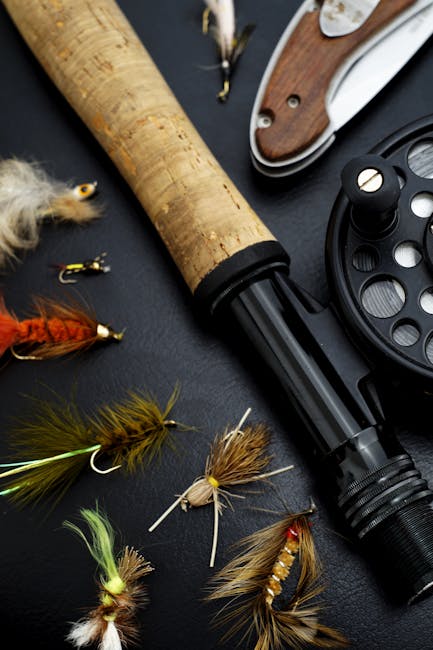
Photo by Pablo Gutierrez on Pexels
Log It to Learn It: How Fly Guide's Catch Log Supercharges Your Progress
Ask any seasoned fly angler and they'll tell you: success on the water is rarely random. It's built on small wins, recurring patterns, and lessons learned from every bend in the river. But let’s be honest—how often do we actually remember which fly worked last August during that late-evening caddis hatch?
That’s where Fly Guide’s Catch Log comes in. Keeping consistent fishing records isn’t just for meticulous types—it’s one of the smartest, fastest ways to step up your game.
Whether you’re new to fly fishing or chasing your next trophy trout, here’s how Fly Guide’s photo-ready Catch Log helps you fish with more clarity and confidence.
Why Logging Catches Matters
When you log a fish (or even a day without one), you're gathering valuable field data that can help you:
- Understand your own patterns – What flies actually work for you, on your waters?
- Track successful techniques – What depth were you fishing? What retrieve triggered the eat?
- Spot seasonal flows and trends – See if brown trout really do eat olive streamers after rainstorms in October.
- Grow your confidence – Build a backlog of fly choices and river tactics that deliver.
Inside the Catch Log: Your Personal River Journal
Fly Guide’s Catch Log is intentionally designed for anglers who want a quick, tidy, and insightful record of their trips. Here’s what you can log:
- Location and waterbody (with GPS tagging)
- Fly used – right from Fly Guide’s fly database
- Conditions – temperature, water clarity, weather
- Species, size, and photo – every fish has a story
- Notes – add thoughts, tactics, or what didn’t work
Having all of this in one place turns a personal best from a fun memory into a repeatable formula.
A Photo’s Worth a Thousand Words
It’s easy to forget the exact flank color of a rainbow or how a brookie took a swung soft hackle at twilight. With photo uploads built into the Catch Log, you don’t just document what you caught—you archive critical visual cues:
- Was the fish showing spawning colors?
- Are you really sure it was a sulfur dun?
- Was that stream higher than usual?
These subtle visuals, when stored alongside your exact fly and river conditions, become your own personal fishery reference.
Review. Reflect. Retrace.
The real magic of Fly Guide’s Catch Log comes when you start to see patterns emerge. Over time, you’ll notice:
- Which flies get repeat results (and which don’t)
- What hatches align with real feeding windows
- How your casting technique or rigging evolved
Plus, with the Catch Map built in, you can track exactly where your most productive days happened—and plan return missions accordingly.
Tips for Making the Most of Your Catch Log
Here are a few pro tips to supercharge your entries:
- Log bad days too – Skunks are data points, not failures.
- Be specific in notes – Include rod weight, fly size, retrieve, etc.
- Time-stamp smartly – Time of day can make or break a catch.
- Use tags – Create your own categories like “Streamer success” or “Cloudy day mayflies.”
The more consistent your logging, the more valuable your log becomes.
Final Cast
Fly fishing is as much about memory as it is motion. But memory fades. That’s why Fly Guide’s Catch Log turns memories into metrics—and those metrics into measured improvement.
Next time you land a beauty (or spend the day studying refusals), log it. Not just for nostalgia, but for knowledge. Because every trip holds a lesson. And in Fly Guide, every lesson can fuel your next big catch.
So log it, study it, and fish smarter. Your future self—and your fly box—will thank you.