The Fly Angle Advantage: Elevate Your Presentations with Fly Guide
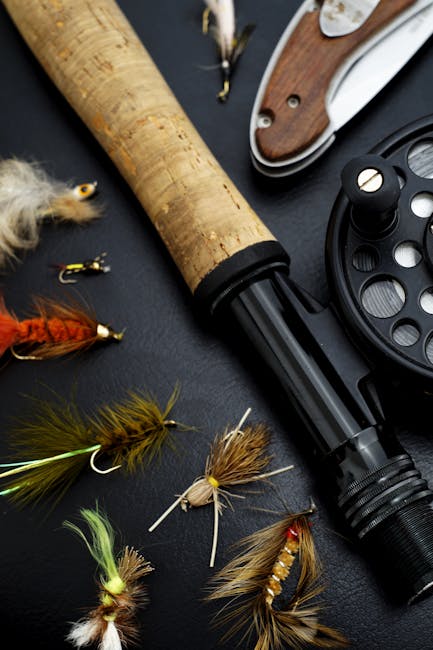
Photo by Pablo Gutierrez on Pexels
Fly fishing isn't just about choosing the right fly—it's about how you present that fly. While many anglers obsess over pattern and size (and rightly so), your casting angle and drift approach might be the game-changer you've been missing. Whether you're stalking spooky fish in clear water or working tight seams in fast current, mastering your presentation angle can dramatically improve your hookup rate.
Why Angle Matters
Fish experience the world differently than we do. They're tuned into movement, shadow, speed, and subtle tension changes in their aquatic world. When you cast directly upstream or make a downstream reach, you're not just presenting a fly—you're shaping how that fish sees it drift.
Here’s what your angle changes:
- Fly Drift Behavior: Different angles can produce drag-free drifts, vital for dry fly success.
- Line Visibility: Approaching from the wrong angle may send a line shadow over your target.
- Hookup Efficiency: Striking upstream vs. downstream can increase or decrease your hookup rates.
Practical Angling Adjustments That Get Results
Here are a few pro tips that can immediately boost your success:
- Swing Small: Keep your casts tight and orient your rod to control drift more effectively.
- Vary Your Approach: Try approaching a run from both river-right and river-left to see which gives you cleaner drifts and better sight lines.
- Reach Cast for Control: Tackling tricky current seams? A reach cast upstream helps control your line immediately, reducing drag and helping your bug look natural.
How Fly Guide Helps You Master Presentation
Fly Guide isn’t just about WHAT fly to throw—it's about when, where, and how to fish it. Here's how the app supports better angle usage and smarter movement on the water:
- Catch Map: Log catches down to the exact casting angle. When you note a successful upstream hookset on the Shadow Emerger, you’ll know to repeat that approach next time.
- Catch Log: Upload a photo, enter your casting method, and within a few trips, you’ll uncover trends. You might learn fish in pools like slack-side swings, while riffles demand stealthy upstream casts.
- User Stats: As your catches add up, Fly Guide helps you connect the dots between presentation approach and fish caught. You’re not just casting—you’re experimenting with data-backed intent.
Personal Lesson: Changing My Angle, Changing My Day
Last fall, I was swinging and missing on a stretch of technical pocket water. Classic attractor nymphs weren’t getting grabs. Out of options, I changed my approach entirely—I moved upstream of the pool, tightened the angle, and started casting downstream with a short high-stick drift. Boom—three fish in twenty minutes. Same fly. Different angle. Drastically better results.
Fly Guide logged the entire trip, and my catch log now shows that angled downstream drifts with soft hackles tend to score in that particular stretch.
Takeaways for Every Angler
No matter your experience level, presentation angle awareness separates the good from the great. Combine that with Fly Guide tools, and you can:
- Turn patterns into confidence with the right drift
- Track angles in your catch log and refine over time
- Use stats and visual logs to recognize what angle works where
So the next time you're not getting bites, try this: change your angle before your fly. And when you do, let Fly Guide track the results—it might just become your secret weapon for presenting smarter and landing more fish.
Happy casting—and angling with intention.