Fish Smart in Small Spaces: Micro-Water Tactics with Fly Guide
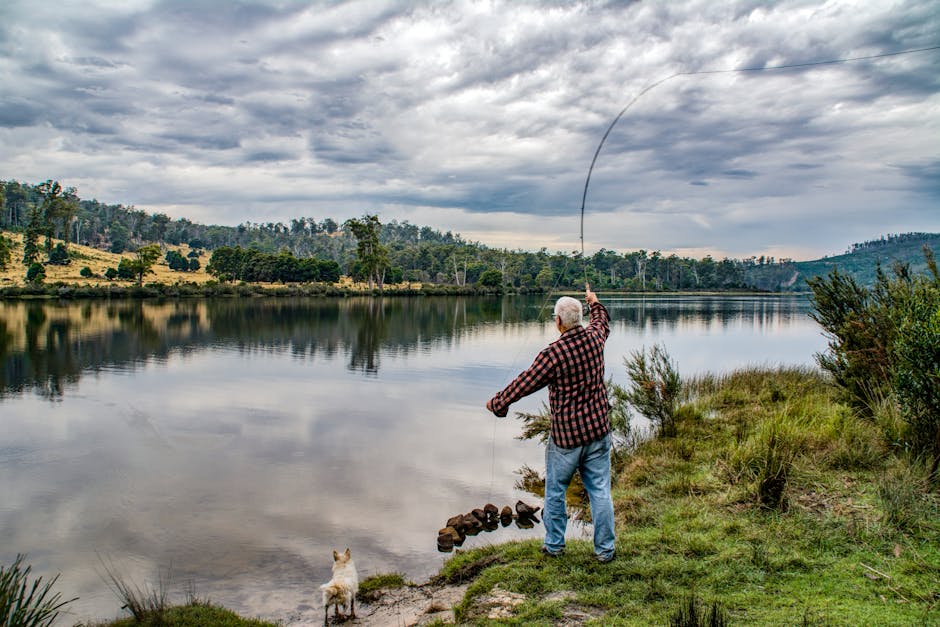
Photo by Kathryn Archibald on Pexels
Think Big, Fish Small
When most anglers imagine the perfect fly fishing scenario, they picture wide rivers, expansive tailwaters, or iconic backcountry lakes. But sometimes, the best fishing happens where there’s barely room to cast. Welcome to the world of small water fly fishing—a high-reward game of stealth, observation, and precision.
Whether you're pursuing native brook trout in high-altitude trickles or hunting browns in suburban creeks, Fly Guide can be your best tool for making the most of these overlooked gems.
Why Small Waters Pack a Big Punch
Small waters may not hold monster fish (though sometimes they surprise you), but what they lack in size, they make up for in:
- Access: Less pressured, tucked-away streams often see fewer anglers.
- Simplicity: You can travel light and fish efficiently.
- Learning potential: Every presentation teaches lessons in flow, behavior, and fly choice.
But success here depends on smart prep and agile adaptability—and that’s where Fly Guide shines.
Micro-Water Wins: Tips for Tighter Streams
1. Scout Efficiently with the Catch Map
Before you lace up your boots, tap Fly Guide’s Catch Map. This feature lets you:
- Identify productive stretches of smaller creeks near you
- Analyze hotspots by time of year, water level, and species
- Avoid overpressured areas—especially helpful when heading off the beaten path
Use it to plan smarter routes and avoid wasting time in empty water.
2. Match the Mini Hatch
In smaller ecosystems, trout are often keyed in to just one or two bug types. Fly Guide’s Fly Recommendations use location-based hatch data and live weather to offer the most accurate picks.
When you’re fishing in a canyon-shadowed trickle, picking the right #18 caddis can be the difference between a skunked day and your new personal best.
3. Document Discoveries Instantly
Small waters change fast. New tree falls, sediment buildup, or even curious raccoons can alter your favorite stretch. Use the Catch Log with photo upload to record what worked where—and what didn’t. That log becomes your personal stream guide, with:
- Photos of successful flies and fish
- Water clarity observations
- Notes on presentation style
You’ll thank yourself on the next trip down that same brushy path.
4. Tie What Works Back Home
Fly Guide links your catch log directly to its Fly Database—so if your barbless ant pattern crushed it in July, you can find the recipe or reorder in seconds. Better yet, try tying it yourself while watching Fly Guide’s step-by-step tying videos.
Nothing beats hooking a fish on a pattern you tied specifically for that spot.
Real World: A Quick Creek Win
Last spring, I stumbled on a nameless tributary while hiking with my dog. It was barely wider than my shoulders, with undercuts along every bend. That afternoon, I pulled out six wild rainbows on a size 16 black foam beetle—after checking the hatch chart on Fly Guide. I photographed two of the best, logged the conditions, and now that once-forgotten creek is my favorite rainy-day spot.
Next time I head there, guess who's already done the research? Me—thanks to Fly Guide.
Keep It Light, Stay Sharp
Small water rewards:
- Short, accurate casts
- Quiet approaches
- Simplified fly selection
With Fly Guide in your pocket, you're not guessing—you’re adapting. So whether you're tiptoeing along a high meadow creek or ducking branches in your neighborhood run, fish smart. Think small.
Want to stay out front?
Subscribe to Fly Guide’s weekly “Fly Box” email, and get seasonal picks catered to your local conditions—perfect for packing your minimalist creek vest.
In fly fishing, knowledge is your best gear. Fly Guide helps you carry it with you—streamside, every cast of the way.