The Details That Deliver: How Small Adjustments Lead to Big Fly Fishing Wins
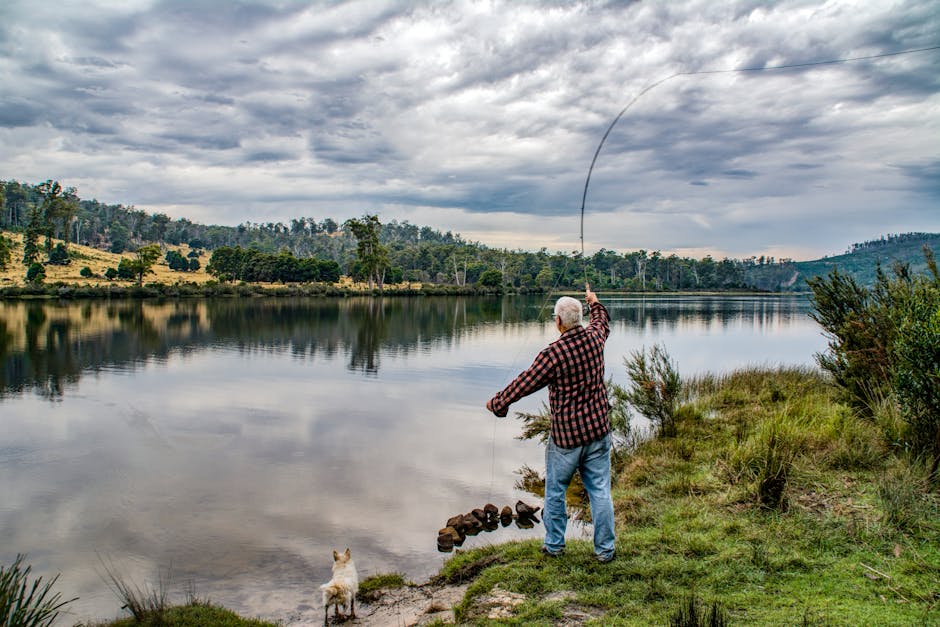
Photo by Kathryn Archibald on Pexels
The Details That Deliver: How Small Adjustments Lead to Big Fly Fishing Wins
In fly fishing, success often hinges on the subtle things—an extra foot of tippet, a slightly smaller fly, or a softer cast. While it's easy to focus on flashy casts and new gear, seasoned anglers know that dialing in the nuances can make all the difference between a skunked day and landing your personal best.
At Fly Guide, we’re all about giving you the tools and insights to improve incrementally and intentionally. Let’s explore how small adjustments—supported by features inside the app—can result in big-time payoffs.
Why the Little Things Matter
Fly fishing is as much observation game as it is a casting one. Trout are selective. Conditions shift minute to minute. The best anglers aren’t just reacting—they're adjusting on the fly.
Some small but impactful tweaks include:
- Leader or tippet changes to reduce visibility or increase accuracy
- Downsizing your fly when trout are spooked or refusing larger patterns
- Adjusting drift speed to match the natural pace of the current
- Shifting casting angles based on feeding lies and light glare
- Being meticulous with knots, distances, and depth control
Don't underestimate these details—many great fish are landed because of one tiny but crucial decision.
Turning Observations Into Adjustments, with Fly Guide
1. Fly Recommendations Built for Real Conditions
Matching the hatch starts with knowing what’s happening locally. With Fly Guide’s Fly Recommendations, you get fly picks based on:
- Current weather
- Temperature patterns
- Entomology and seasonality
If you’re getting refusals on a standard size 16 Elk Hair Caddis, it might be time to drop to an 18 or switch to an emerger. Fly Guide helps you make that choice with confidence.
2. Your Catch Log as a Detail Diary
Fly Guide’s Catch Log lets you record:
- What fly you used
- Where and when you caught fish
- Presentation style
- Water clarity and conditions
Over time, this builds a personalized blueprint of what small tweaks have made a big difference. Review it before you fish—your future self will thank you.
3. Tying Videos When Standard Patterns Need a Twist
Sometimes, the store-bought version doesn’t cut it. With Fly Guide’s curated fly tying videos and recipes, you can learn to tie custom tweaks to proven bugs—shorter hackle, smaller wing, darker dubbing—and bring your own high-performing variant to life.
A Personal Example: One Size Smaller, One Cast Better
On a recent morning float, I was fishing a prolific PMD hatch. I had multiple views on a #16 dry but no takes. One fish porpoised a few feet away—fat, healthy, and clearly feeding.
I switched to a #18 from the Fly Guide seasonal picks and dropped my tippet to 6X. First cast after the change? Bang. That trout committed instantly.
Later that evening, back at the cabin, I logged the catch in Fly Guide with a photo, pattern note, and presentation details so I could revisit that winning combo later.
Wrap-Up: How to Build Your Own “Adjustment Arsenal”
Here’s how to make small details work for you:
- Rely on Fly Guide’s Fly Recommendations before you hit the river
- Use your Catch Log to track successful tweaks
- Study tying recipes to create customized flies that match your waters
- Review your user stats to spot personal trends and patterns
Great anglers aren’t necessarily those who know the most—they’re often just better at paying attention and acting decisively. So next time the bite slows, don’t overhaul your game. Start by making one smart adjustment.
With Fly Guide, you’re never fishing the little things alone.
Tight lines,
The Fly Guide Team